Brand Activity

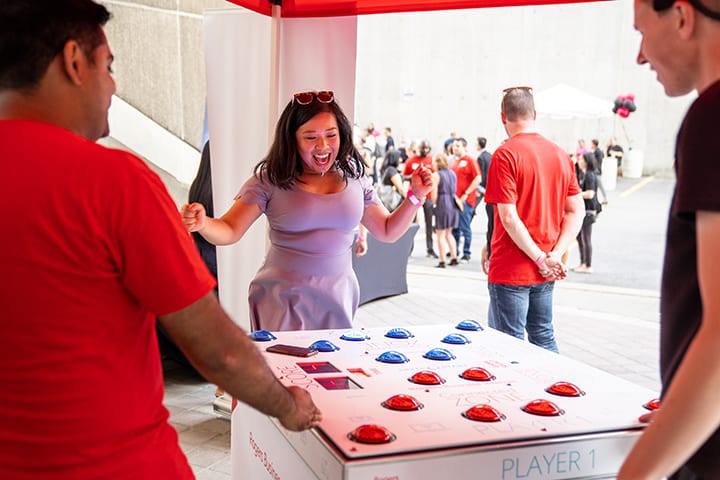
Consumer engagement

When consumers make purchases, they are not just buying products. They are also making statements that the brands resonate with their identities and lifestyles. Traditional advertising aims to link a brand with certain images or themes. But consumer engagement defined simply as the interactions between a brand and its customer can shape those brand associations in much more organic and natural ways. Consumer engagement provides real business value in many ways, from increasing conversions and sales to improving average order value and customer lifetime value.

Consumer engagement can – and should – happen simultaneously across multiple online and offline marketing channels. It is the lifeblood of any sophisticated marketing organization’s strategy. Skilled marketers can guide this engagement to serve their business needs, while also providing consumers with an authentically enjoyable experience.
Examples of consumer engagement:
In-store activation
A brand can be activated using point-of-purchase displays with attractive designs, or by hosting retail product launch experiences that allow consumers to experience and try a particular product. SMRC is typically responsible for providing on-demand staffing or for training the client’s in-store team to deliver the brand message to customers. SMRC also manages free samples or any other promotional item.
Trade/merchandising drives
Promotions are aimed at retailers or distributors by the companies to promote their brands.
School/College Edutainment
SMRC recommends school and college activations for brands whose customer base includes younger people. For example, clean and clear is an anti-acne product aimed at adolescent girls. SMRC developed a school-based activation that included general grooming advice as well as information specifically about age-appropriate skin care. Engagements like this help build brand loyalty.
Rural Activation
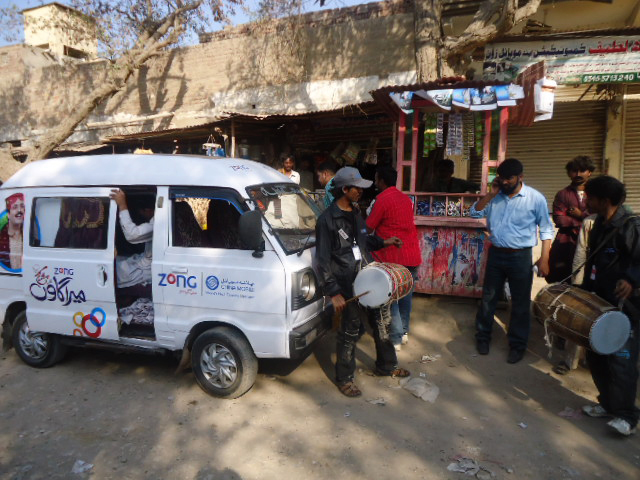
Rural areas are a huge market for brands, and live events that bring together communities that are often small or isolated are a popular strategy. Rural activations tend to be loud to gain attention and dramatized to get the message across. For example, an activation produced for FMC, a company serving farmers, involved a theater plan where the product message was delivered via mascots. The theatrical production was an entertaining novelty for the target audience of farmers, and the message was well received.